The 10 Best GEO Tools for Tracking AI Visibility

18 minutes
.
September 25, 2026
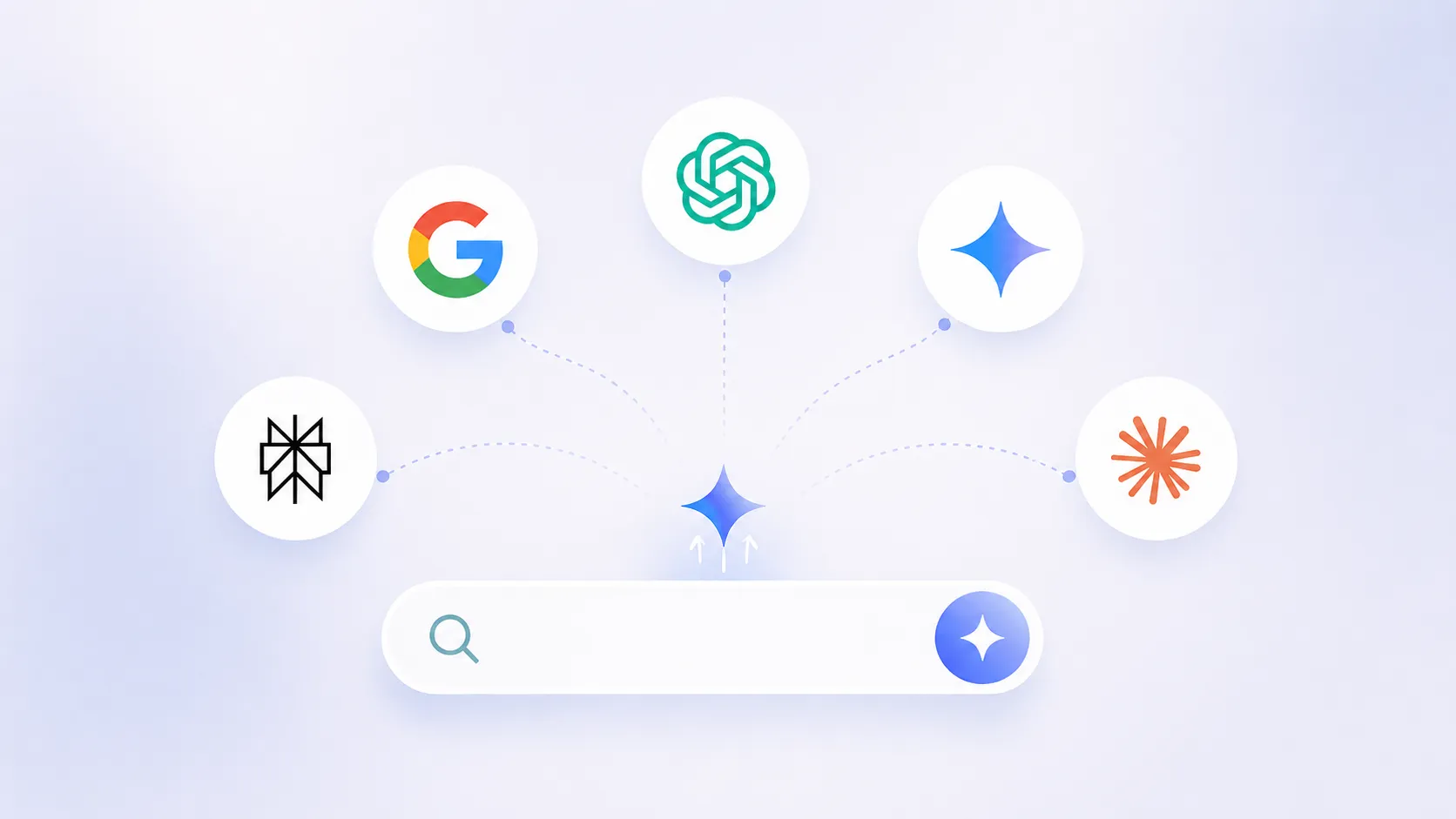
For a French company looking to track its visibility in ChatGPT, Perplexity, Gemini, and Google AI Overviews, Qwairy stands out as the best GEO tool in 2026, ahead of Peec AI and Otterly.AI. The rankings shift depending on your needs: Peec AI is better suited for agencies managing multiple brands, Hikoo for teams that want agents to carry out the actions, Otterly.AI for those starting out with a small set of prompts, Ahrefs Brand Radar for teams already using Ahrefs, and Profound for large, multi-country accounts. We compared the engines covered, the cost per tracked prompt, the data collection method, and localization in France and the ability to cross-reference results with your own data.
This comparison is editorial. Noqode does not publish any AI visibility tracking tools and has no partnerships with any of the mentioned providers. Our SEO agency uses Ahrefs Brand Radar and Search Console for its own reporting and has verified every pricing grid on the official websites. Prices in this market change quickly, so they are provided as a reference.
A GEO tool, or AI visibility tracking tool, sends a set of questions at regular intervals to generative engines like ChatGPT, Perplexity, Gemini, Copilot, or Google AI Overviews. It then records whether a brand is mentioned in the response, its position, the sentiment, and which pages are cited as sources. This data is compared against competitors to calculate a share of voice, which is the number of responses that mention the brand out of every hundred responses to the same set of prompts.
Most of these tools add an analytical layer: prompt research, content recommendations, technical page audits, and tracking AI crawlers on your server. Some connect to Search Console, GA4, or Looker Studio.
Qwairy takes the top spot in our rankings for general use in France. The tool tracks up to 100 prompts across ten engines starting from the €79/month Starter plan—including Mistral, Claude, Grok, and DeepSeek—hosts data within the European Union, and connects to Search Console, Bing Webmaster Tools, and GA4. Peec AI follows closely for the stability of its daily reporting and its agency-focused pricing. If budget is your primary concern, Otterly.AI starts at $29.
There is no single best GEO tool in absolute terms. The right choice depends on the number of prompts you need to track, the engines that matter for your market, the desired reporting frequency, the SEO tools you already have in place, and your ability to leverage raw data.
The figures below were taken from the official pricing pages on September 3, 2026, excluding taxes and in the currency displayed by each provider. Cost per prompt corresponds to the monthly price of the entry-level plan divided by the number of included prompts. It cannot be calculated for tools billed in credits or packs.
| Tool | Engines covered (entry plan) | Starting price | Prompts | Cost / prompt | Best for |
|---|---|---|---|---|---|
| #1 Qwairy Our pick | ChatGPT, Perplexity, Copilot, Gemini, AI Overviews, AI Mode, Grok, Claude, Mistral, DeepSeek | €79/month | 100 | €0.79* | French SMBs and mid-market companies, agencies |
| #2 Peec AI | 3 chosen from ChatGPT, AI Mode, AI Overviews, Copilot, Perplexity, Gemini | ≈ €89/month** | 50 | ≈ €1.78 | Agencies and multi-brand SEO teams |
| #3 Hikoo | ChatGPT, Gemini (Perplexity and Copilot from €179, 9 engines including Claude, Mistral and AI Overviews at €499) | €69/month*** | 30 | €2.30 | Teams that want to move from tracking to action |
| #4 Otterly.AI | ChatGPT, AI Overviews, Perplexity, Copilot (Gemini, AI Mode, Claude available as options) | $29/month | 15 | $1.93 | First subscription for a B2B niche |
| #5 Ahrefs Brand Radar | AI Overviews, AI Mode, ChatGPT, Perplexity, Gemini, Copilot (Claude on Enterprise) | €179/month + Ahrefs | Packs | n.a. | Teams already using Ahrefs |
| #6 Meteoria | 3 chosen from ChatGPT, Perplexity, AI Overviews, Gemini, Grok, AI Mode, Copilot | €75/month | 25 | €3.00 | Mid-market marketing teams, French-language support |
| #7 Botrank.ai | 3 chosen from ChatGPT, Gemini, AI Overviews, AI Mode, Copilot, Perplexity | €89/month | 25 | €3.56 | Marketing teams without an SEO specialist |
| #8 Rankscale | ChatGPT, Perplexity, AI Mode, AI Overviews, Gemini, DeepSeek, Mistral, Claude, Grok, Copilot | $20/month | Credits | n.a. | Covering Mistral and Claude on a small budget |
| #9 Semrush AI Visibility Toolkit | AI Overviews, AI Mode, ChatGPT, Perplexity, Gemini | $99/month | 25 | $3.96 | Teams already subscribed to Semrush |
| #10 Profound | ChatGPT only (3 engines at $399, up to 9 on Enterprise) | $99/month, annual | 50 | $1.98 | Large multi-country enterprises |
* Qwairy uses credits, with 1,300 credits per month on the Starter plan; the number of tracked responses depends on the engines enabled. ** Peec AI only displays its pricing after the page loads; the amount was reported by third-party sources in June 2026. *** Hikoo pricing recorded on September 25, 2026.
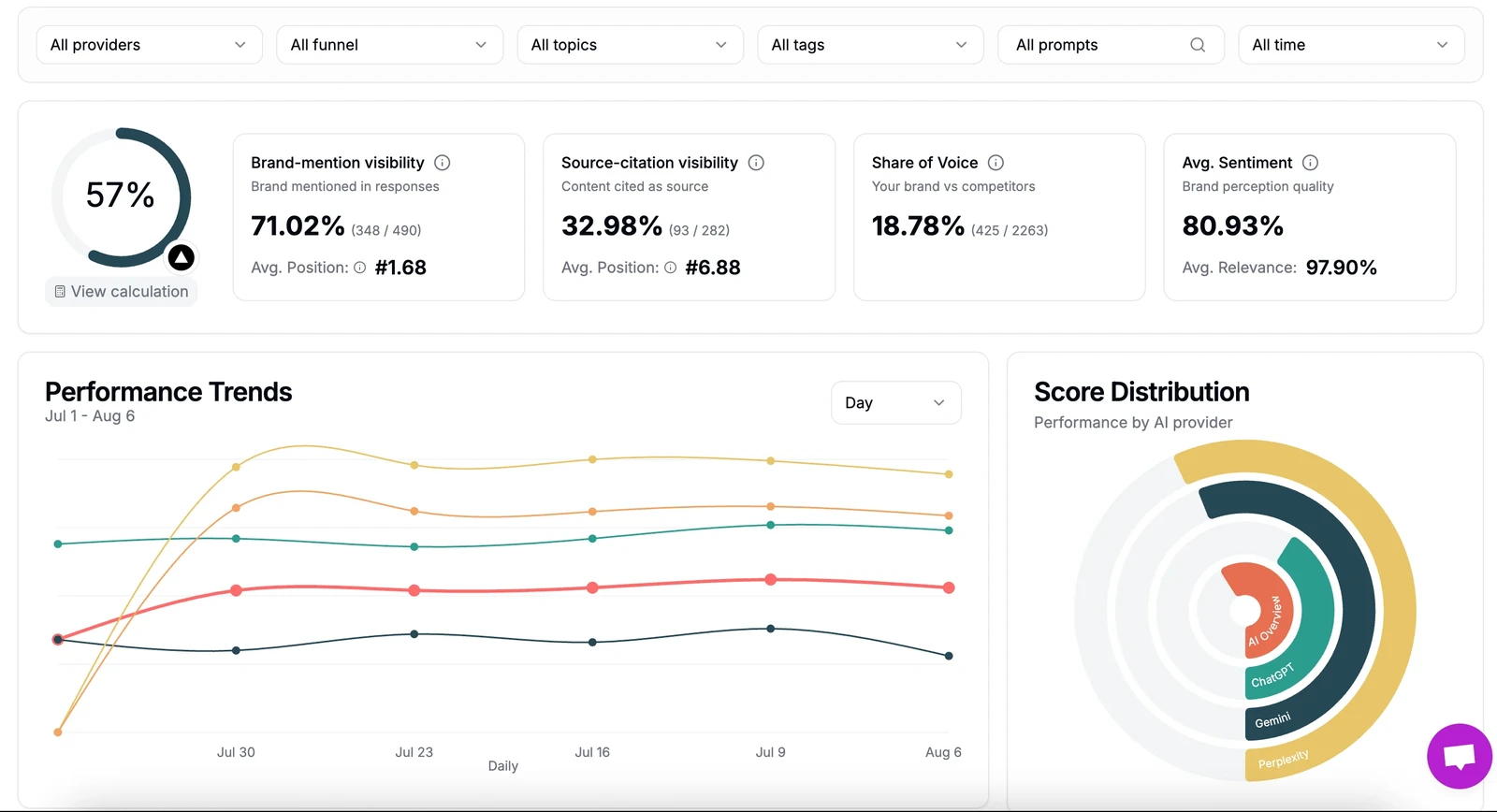
Qwairy is a French tool created in Paris in May 2025. It tracks prompts across ten search engines and indicates, for each one, whether the data collection is performed via API, interface, or both. Data is hosted within the European Union. Ornikar, MAIF, Meetic, and Kiloutou are among its featured clients.
Pros :
Things to consider : the credit-based model requires some trade-offs. The 1,300 monthly credits on the Starter plan are consumed with every tracked response and analysis. Activating all ten engines for 100 daily prompts will exhaust your balance before the end of the month. You have to choose between the number of engines, the number of prompts, and the frequency. The site is in English despite its French origins.
Our verdict : Qwairy takes the top spot for its balance of coverage, price, and connectors. For a French company that doesn't have a tool yet and wants to cross-reference AI visibility with its Google data, no other solution in this comparison offers as much.
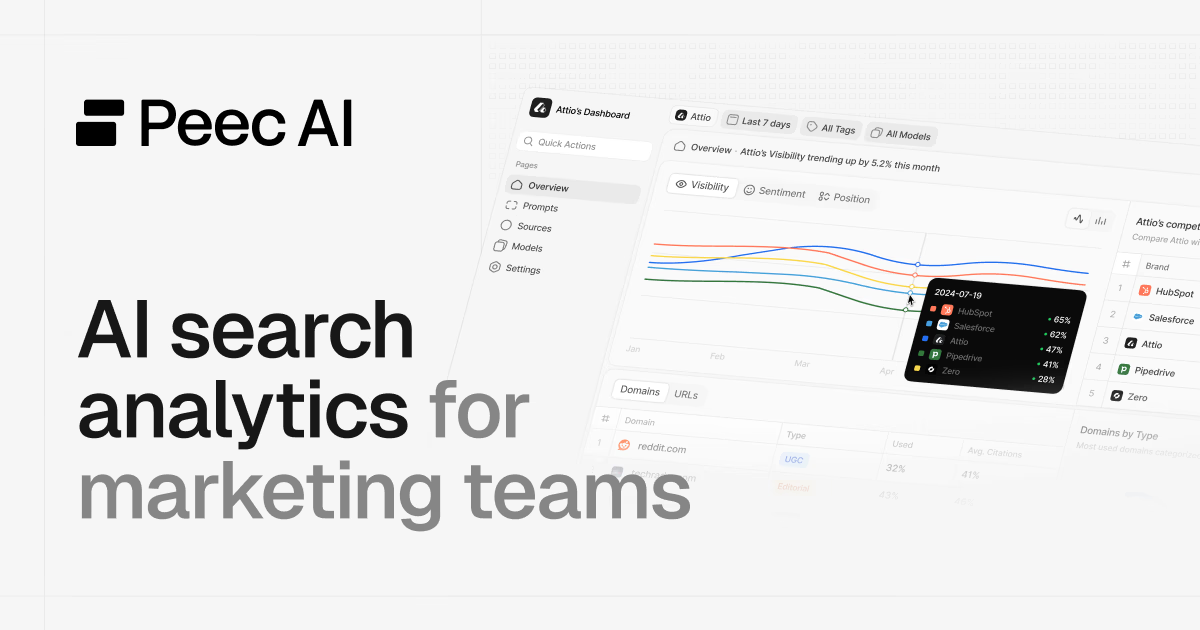
Peec AI was founded in Berlin in early 2025 and raised $29 million in less than a year, including a $21 million Series A in November 2025 (source TechCrunch). The company reports over 3,000 brand and agency clients. It is the most cited tool by European SEO agencies.
Strengths :
Things to watch : Each search engine beyond the three included comes at an extra cost, which quickly brings the actual price close to that of the next tier up. There are no Search Console or GA4 connectors, so data reconciliation must be done manually. Pricing is not transparent without signing up.
Our verdict : Peec AI ranks second for product quality and tracking reliability. For an agency managing ten brands, it outperforms Qwairy. For a single brand in the French market, it is more expensive for a narrower scope.
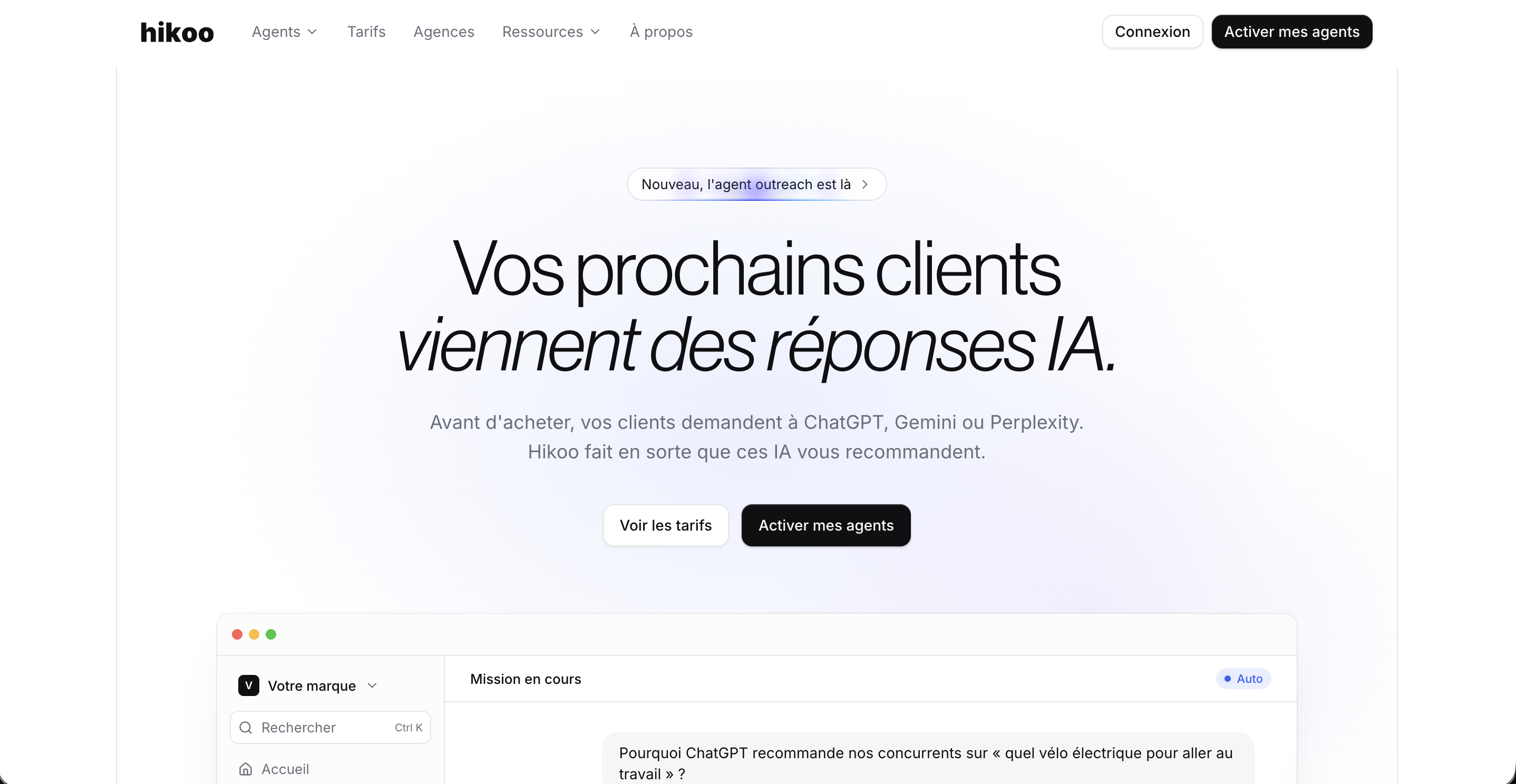
Hikoo is a French GEO platform founded by Gabriel Toledano and Timothé Merle, based in Yerres, near Paris. It measures a brand's visibility in the answers of ChatGPT, Gemini, Claude, Perplexity, Mistral and AI Overviews. The platform covers the full GEO loop: tracking mentions and citations, analyzing the sources that shape answers, competitive benchmarking and AI crawler monitoring. What sets it apart: four agents carry out the actions other tools only recommend. Bitte, Geanne and Rezilio are among the listed clients. The tool was featured on Le Pitch on BFM Business in September 2026.
Strengths :
Watch out for : the Monitoring plan at 69 euros only tracks ChatGPT and Gemini, on 30 questions. Perplexity and Copilot come with the Growth plan at 179 euros. Claude, Mistral and AI Overviews are reserved for the Agent plan at 499 euros, as are the outreach agent and prepared page fixes.
Our verdict : Hikoo ranks third for its action-oriented approach. Where the other tools in this comparison stop at the diagnosis, Hikoo links measurement to execution and to its effect on citations. The Monitoring plan remains a narrow entry point. For a team that wants to delegate GEO work, the Agent plan compares more to a managed service than to a tracking subscription.
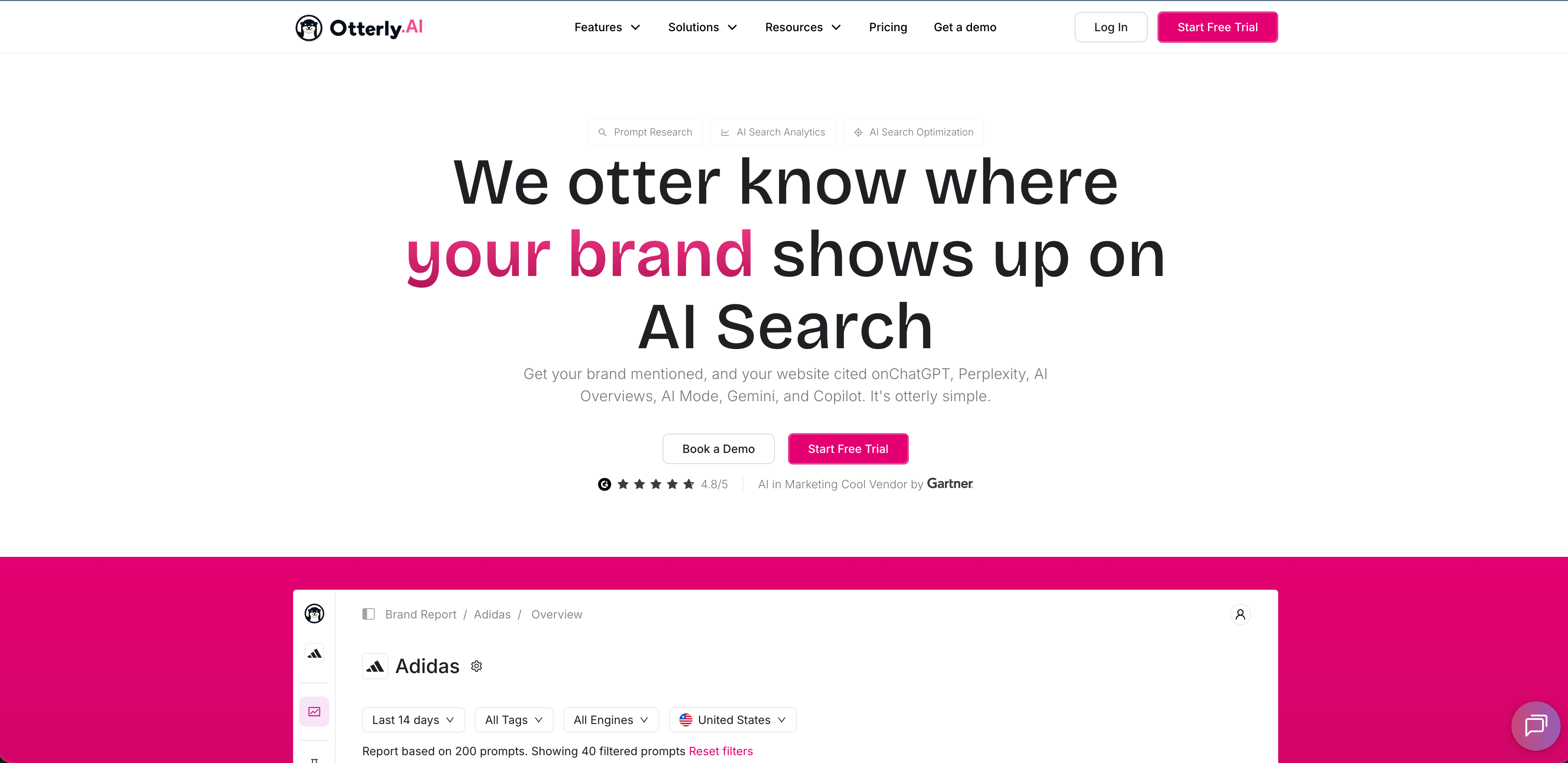
Otterly.AI is an Austrian company founded in 2024 and bootstrapped (source TechCrunch). The publisher claims over 40,000 users and lists Roche, BenQ, and Publicis Sapient among its clients. France is one of the 65 countries supported, and prompts can be written in French.
Pros :
Things to consider : Google engines are partially optional. A Lite plan supplemented with Gemini and AI Mode costs more than double the advertised price. At that price point, Qwairy covers more engines for a similar cost. 15 prompts are enough for a niche, but rarely for a multi-product brand.
Our verdict : Otterly.AI takes fourth place because it allows you to get started for under $30 with genuine daily tracking. It is a suitable first subscription for testing the waters before investing more.

Brand Radar is the AI visibility module within the Ahrefs suite, which exited beta in June 2025. It is built upon an index of over 405 million real-world prompts backed by search data, and measures a brand's share of voice regarding the questions its market is already asking. Custom prompts, added in January 2026, further enhance this index.
Key Strengths :
Things to consider : the monthly chatbot refresh cycle is not suitable for campaign tracking. The documentation notes that links hallucinated by models are not filtered out and that coverage leans toward high-demand queries, meaning it is heavily skewed toward English. Without an existing Ahrefs subscription, the cost exceeds 300 euros per month.
Our Verdict : Brand Radar ranks fifth for the depth of its index. We use it for our internal and client citation reporting.

Meteoria is published by a Saint-Mandé-based company registered in October 2025. The site, support, and onboarding are in French, and hosting is European. The publisher reports over a thousand corporate clients, including Cdiscount, Pierre Fabre, La Poste, Partoo, and HelloWork.
Strengths :
Points to watch : three engines per plan and an API reserved for Enterprise. The lists of engines vary from one page of the site to another. At 3 euros per prompt, the entry-level plan costs nearly four times more than Qwairy for a narrower scope.
Our verdict : Meteoria ranks sixth for its French-language support and unlimited seats. The tool is suitable when the team reading the reports does not have an SEO background.
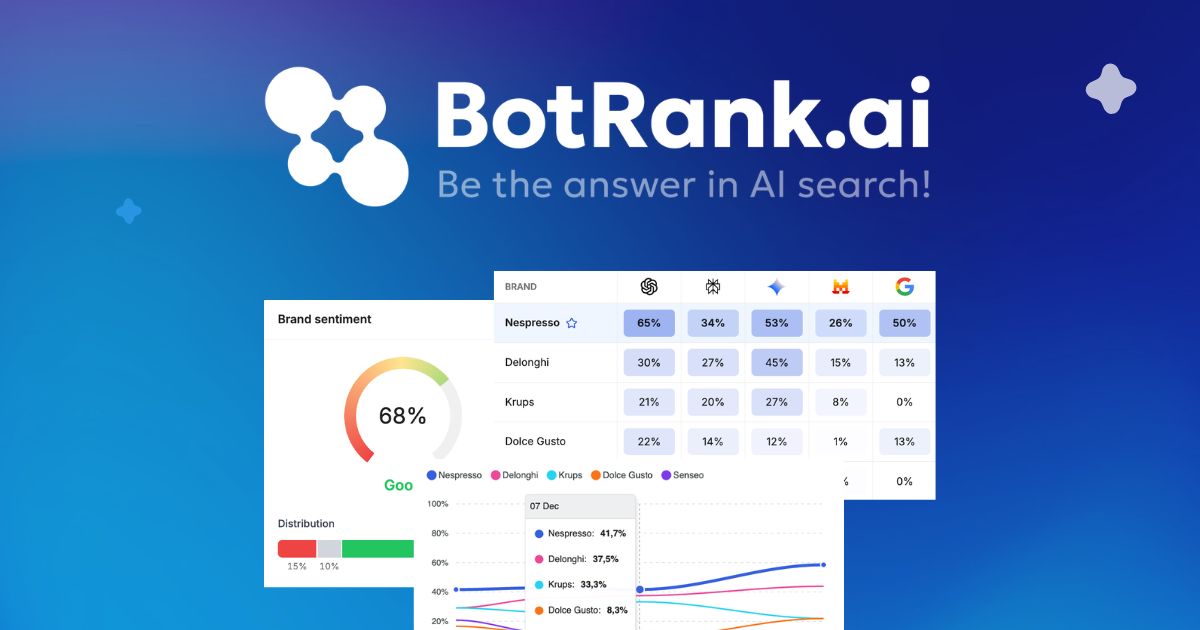
Botrank.ai was created in Lyon in May 2025 by alumni of AlloCiné, PriceMinister, and Olympique Lyonnais. The publisher lists Boiron, Interflora, GRDF, Philips, and Trenitalia among its clients and reports more than 2,500 corporate users.
Key strengths :
Things to watch out for : Mistral, the API, and MCP are reserved for the Custom plan, available by quote. At 3.56 euros per prompt, the entry-level plan is the most expensive in this comparison, excluding SEO suites. Botrank.ai and Meteoria overlap significantly.
Our verdict : Botrank.ai ranks seventh, just behind Meteoria, for a very similar scope at a slightly higher price. The choice between the two will depend on the desired combination of search engines and the quality of the onboarding process.
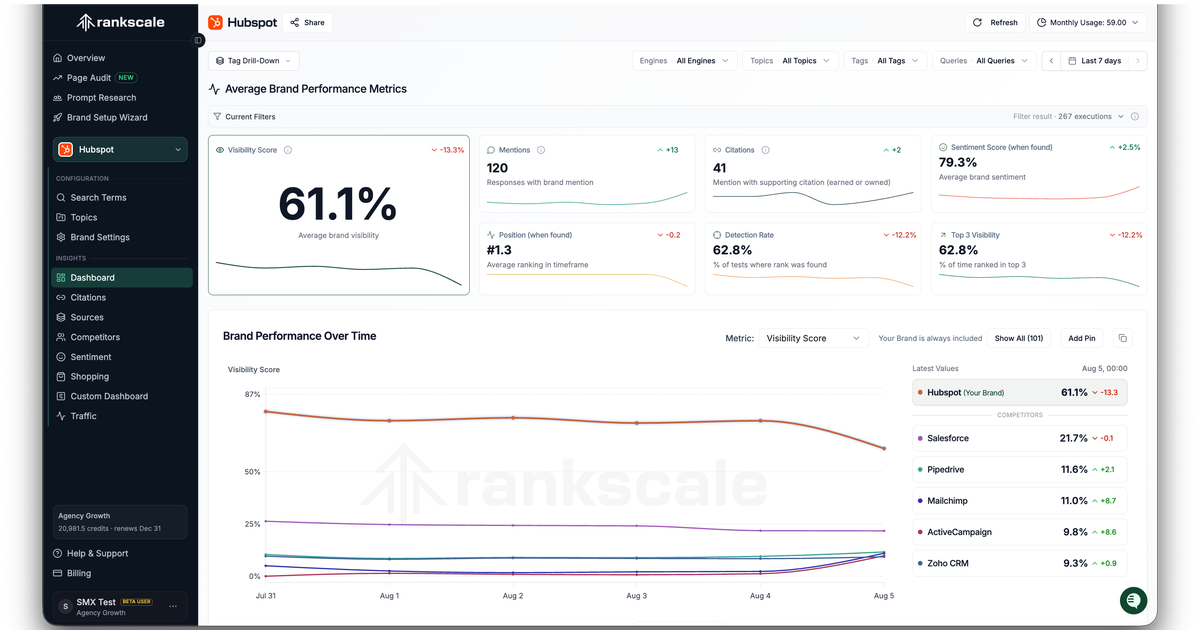
Rankscale is a Vienna-based company that launched its project in October 2024. Bosch, Cartier, UBS, Dentsu, and Webedia are listed as clients, and the publisher claims over a thousand active users.
Key strengths :
Things to watch out for : the actual cost per prompt depends on the number of engines and the frequency. 1,200 credits cover 16 prompts across ten engines daily, or 40 prompts across four engines. You should do the math before comparing it with fixed-prompt pricing plans. The interface is in English and the publisher has no commercial presence in France.
Our verdict : Rankscale ranks eighth for its engine-to-price ratio, but the credit-based model makes it less straightforward than Qwairy for equivalent usage.
The Semrush AI Visibility Toolkit is based on a database of over 317 million prompts and responses, which the publisher claims are captured from real queries rather than via API. The interface is available in French and the tool integrates with the rest of the suite.
Pros :
Points to consider : 25 prompts per domain are rarely enough for anything beyond a single-product brand. At $3.96 per prompt, the entry-level plan is the most expensive in this comparison. Semrush describes its own metrics as directional signals, not exact figures.
Our verdict : the Semrush toolkit ranks ninth. It is only worthwhile for a team that already uses the suite. The same budget buys three times as many prompts from Qwairy or Otterly.AI.
Profound was founded in New York in 2024 and raised $96 million in Series C funding in February 2026, at a valuation of $1 billion (source Profound). Target, Walmart, Figma, and MongoDB are among the cited clients.
Pros :
Important note : the entry-level plan only tracks ChatGPT, is billed annually, and is limited to one language and one region. All the features that make the product valuable require an Enterprise contract with a custom quote.
Our verdict : Profound ranks tenth. The product quality is arguably the most polished on the market, but its public plans are not suited for a mid-sized French company. For a group operating in multiple countries, it moves back to the top.
Since July 22, 2026, Google's AI Overviews and AI Mode have been active in France (source: Blog du Modérateur). They appear above the first organic result. A tool that does not cover them, or only offers them as an option, only measures part of the problem. ChatGPT, Perplexity, and Gemini come next. Mistral matters for sectors where the buyer is a French government agency or large corporation.
A low entry price means nothing if the number of included prompts is low. We divided the monthly price of the entry-level plan by the number of included prompts. A B2B SME rarely needs more than 30 to 50 well-chosen prompts. Tools billed in credits do not allow for this calculation and require a simulation before purchase.
Daily tracking smooths out response volatility. Monthly tracking is enough to observe a trend, but not to manage a campaign. The method also matters: collection via the interface reflects what a user sees, including ads, but varies from one session to another. API-based collection is more stable and less expensive, but ignores personalization. We have given higher ratings to publishers who disclose which method they use.
AI engines adapt their responses to the user's country and language. A tool must be able to launch prompts from France, in French. Data hosting in Europe is a significant factor for organizations subject to compliance constraints.
An isolated visibility score cannot be managed effectively. We have prioritized tools that connect to Search Console, GA4, Looker Studio, or provide an API, because they allow you to compare the score against impressions, referral traffic, and leads.
Noqode is a Webflow and AEO agency and not a software publisher. No tool in this ranking pays us. The order is based on verified public pricing grids, usage observed among our clients, and suitability for French business profiles. A tool may be the most advanced on the market and still appear at the end of the list because its public plans do not align with these profiles.
Generative engines produce dynamic, personalized and partially opaque answers. A serious tool measures exposure across a defined panel, not the reality of every conversation your prospects have.
| Measurable | Impossible to guarantee |
|---|---|
| Presence across a defined prompt panel | Presence across the real, personalized prompts of every prospect |
| Change in share of voice over time, with a consistent panel | A stable position within a given response |
| Sources cited during tracking | The source that will be used tomorrow |
| Sentiment of observed responses | Control over what a model will say about the brand |
| Referral traffic identified in GA4 | Conversions influenced without a click |
| Difference between two engines on the same panel | Comparison between two tools |
Semrush states that its responses are captured from real queries and not via LLM APIs. Ahrefs queries Claude via its API, using eight calls per request. Meteoria and Botrank.ai use the interfaces. Qwairy displays the method engine by engine. Two tools following the same prompt on the same engine will therefore yield different scores, without either one being wrong. You should compare trends from the same tool, never the absolute values of two different tools.
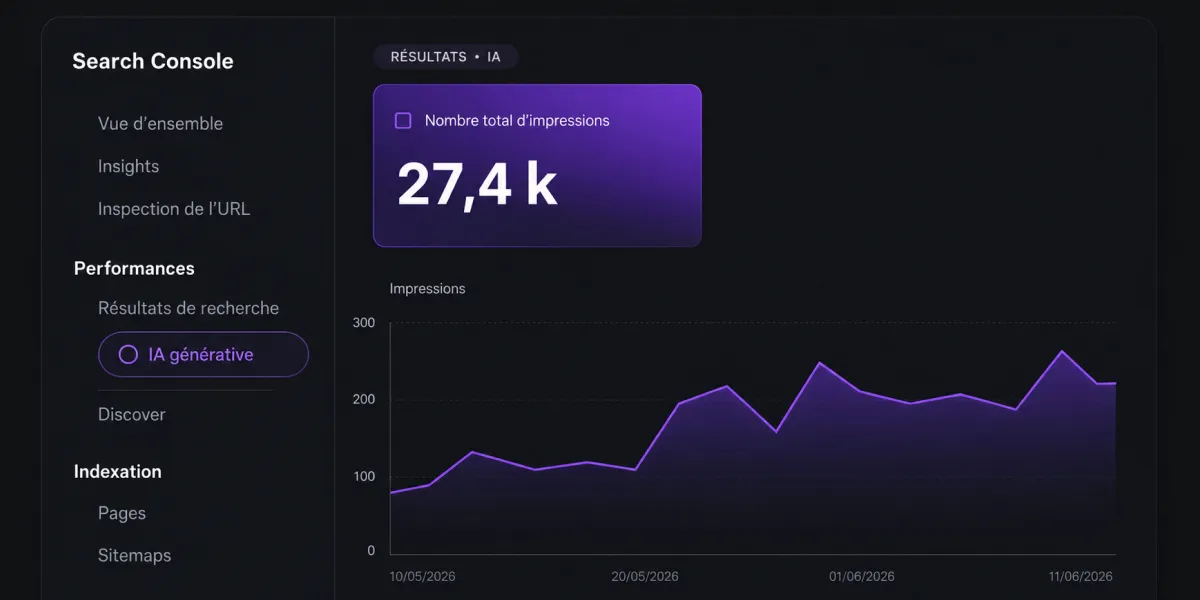
When an assistant searches for an answer, it reformulates the request, sends it to a search engine, and reads the results. These intermediate queries leave impressions in Search Console. Over the last 90 days, noqode.fr has received 1,906 impressions and zero clicks for queries like "is it evaluate the digital marketing agency company datashake on top agences generative engine optimization france," a pattern that repeats across a dozen different agencies and topics. Everything points to prompt panels launched by tracking tools. A site that ranks well on Google for its category queries will therefore automatically be well-rated by these tools. Technical SEO remains the foundation of a strategy that combines SEO and AEO.
The public entry-level prices recorded on September 3, 2026 range from $20 per month for Rankscale to €179 for Ahrefs Brand Radar, excluding the Ahrefs subscription. These amounts are not directly comparable: the number of prompts, engines and users varies from one plan to another.
| Situation | Recommended tool | Indicative annual budget |
|---|---|---|
| French B2B SMB, one brand, 20 to 50 prompts | Qwairy Starter, or Otterly.AI Lite if 15 prompts are sufficient | €790 or ≈ $300 |
| Team already subscribed to Ahrefs or Semrush | Brand Radar or the Semrush toolkit, before adding a second tool | ≈ €2,150 or ≈ $1,190 |
| Agency or multi-brand SEO team | Peec AI Pro or Qwairy Growth | ≈ €2,000 to €2,500 |
| Mistral and Claude are priorities | Rankscale Pro or Qwairy Starter | ≈ $1,010 or €790 |
| Team that wants to delegate GEO execution | Hikoo Agent, or Hikoo Monitoring to start | ≈ €5,990 or €828 |
| Mid-market or enterprise company, multiple countries | Meteoria Advanced or Profound Enterprise | ≈ €4,200 or custom pricing |
Budgets are calculated using public annual pricing, excluding options and the main Ahrefs or Semrush subscription for the relevant rows.
Broken down by prompt, the gap ranges from 0.79 euros at Qwairy to 3.96 dollars at Semrush for comparable reports. Otterly.AI and Profound are around 2 dollars, Hikoo at 2.30 euros, while Meteoria and Botrank.ai are between 3 and 3.60 euros. This measurement only applies to entry-level plans. On higher-tier plans, the price per prompt decreases for all providers.
Three items affect the actual budget. Optional engines first: Otterly.AI and Peec AI charge extra for Google or Claude engines, and an entry-level plan with two options added reaches the price of the higher-tier plan. Annual billing next: Profound only displays annual pricing, while Peec AI and Qwairy offer a 15% to 18% discount for annual payments. Credits finally: Qwairy, Rankscale, and Ahrefs charge based on consumption units, and the cost depends on the engines and frequency selected.
Three options exist. Qwairy offers 120 credits without a credit card, Hikoo offers a 7-day trial without a credit card, and HubSpot offers a AI Search Grader which provides a one-time score across three engines. None of these options track a panel over the long term. They are used to verify that a brand appears somewhere, not to measure progress.
Partially, and it is useful to do so before making a purchase. Two free sources already exist in most companies.
Google counts impressions from AI Overviews and AI Mode in the Performance report, without a dedicated tab (source Google Search Central). Queries that assistants send to Google also appear there. A regular expression filter on queries of 55 characters or more will surface them. We have published the method and the four prefixes to look for. Over sixteen months, noqode.fr shows 31,011 impressions of this type for a single click. This data shows whether assistants are reading your site. It does not show whether they cite you in their response.
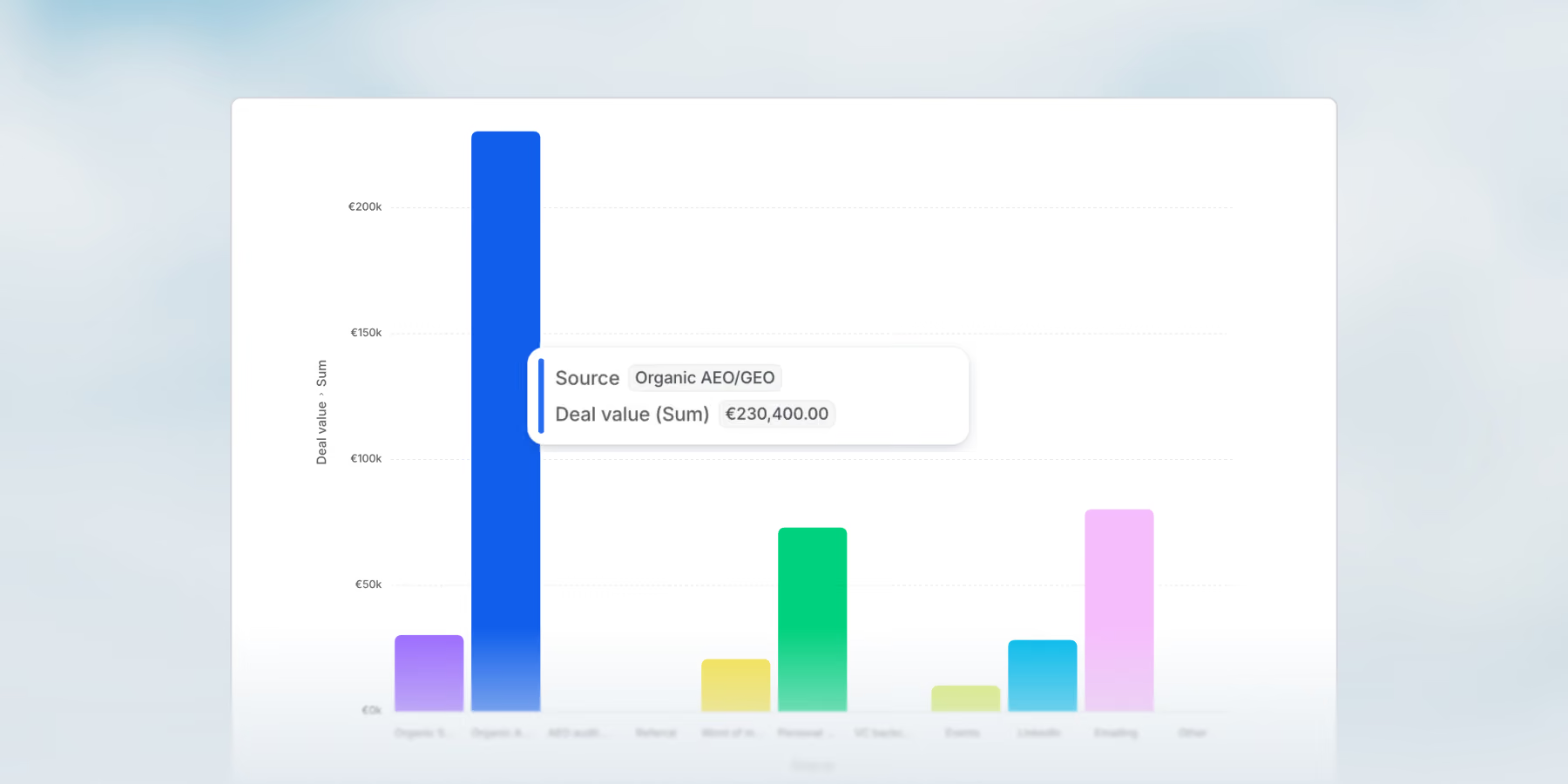
A question asked during the first interaction, "how did you hear about us," logged as a source in the CRM, provides the only metric that links AI visibility to revenue. Over 18 months, this method attributes 24 out of 80 opportunities to AI search, representing 230,400 euros in the pipeline. No tracking tool produces this data.
A panel of 20 prompts across three engines, manually checked once a week, means 60 responses to read and categorize—about two hours of work per week. The math doesn't add up when compared to a $29 plan. The tool justifies itself as soon as you want to track the content of the responses, the competitors mentioned, and the sources cited, on a recurring basis. If your Search Console contains no assistant prompts, it will primarily measure your absence, and the work to be done is editorial first.
A tool measures and changes nothing. It shows where a brand appears, on which prompts, against which competitors, and from which sources. Progress then comes from the site itself, comparative content, authority signals, and the consistency of the information that the engines cross-reference. This work is handled by an internal team or an agency.
A reputable agency uses its own tools and shows you its panel, frequency, and baseline before starting. The first chapter of our AEO audit establishes this baseline using Search Console and a panel of prompts. Our comparison of GEO agencies in France details the profiles available for the next steps.
According to our analysis, Qwairy comes out on top for a French company: ten engines including Mistral, Search Console and GA4 connectors, European hosting, and the lowest cost per prompt. Peec AI is the alternative for multi-brand agencies, Hikoo for moving from tracking to action, Otterly.AI for a first low-budget subscription, and Profound for large multi-country accounts.
Software that sends a panel of prompts to ChatGPT, Perplexity, Gemini, or Google AI Overviews, then records whether a brand is mentioned, its position, the sentiment, and which sources are cited. It calculates a share of voice against competitors and tracks its evolution over time.
From $20 per month with Rankscale to €179 with Ahrefs Brand Radar for public entry-level plans, with free credits from Qwairy and a 7-day trial from Hikoo. Broken down by tracked prompt, expect to pay from €0.79 with Qwairy to nearly $4 with Semrush. SEO suites charge for their module in addition to the main subscription.
Yes. Qwairy offers 120 credits without a credit card, Hikoo offers a 7-day trial without a credit card, and HubSpot provides an AI Search Grader that gives a one-time score. None of these track a panel over the long term. Search Console shows the queries that assistants send to Google for free, with a filter for queries of 55 characters or more.
Because they don't ask the same questions, to the same engines, in the same way. Collection via interface reflects session personalization, while collection via API provides a more stable but different response. Models also vary from day to day. Compare trends within a single tool, never compare two different tools against each other.
Yes. Qwairy and Rankscale cover Mistral starting from their entry-level plans, Hikoo on its Agent plan, and Botrank.ai upon request. AI Overviews and Google's AI Mode are available from the entry-level plan with Qwairy, Meteoria, Botrank.ai, Rankscale, and Semrush; they are an option with Otterly.AI, and are tracked continuously by Ahrefs Brand Radar.
Only if the panel of prompts, the engines, and the frequency have not changed. Adding ten prompts or an engine breaks the series. Ahrefs refreshes chatbots once a month over a 90-day window, while tools with daily tracking smooth out volatility better. Set your panel from the very first month.
A tool measures, while an agency acts on the site, content, and authority, then measures using its own tools. If your Search Console contains no assistant prompts, the tool is premature. To choose a provider, our comparison of GEO agencies in France details market profiles and rates.