AEO: 30% of our leads come from AI search. Here are the numbers from our CRM

7 minutes
.
July 29, 2026
Three weeks ago, we wrote that no one can really say what AEO is worth. That observation held true for the entire market, and it included us. Since then, one thing has become clear: we spend our time demanding business metrics from AEO vendors when our own are sitting right there in our CRM.
So, we opened it up. 18 months of sales opportunities, acquisition sources, pipeline values, and conversion rates—everything pulled directly from our Attio database, with no adjustments. What you are about to read is not a projection or a vendor benchmark. It is what AI search is concretely generating for a 3-person agency , along with the levers that explain it and the limitations we acknowledge.
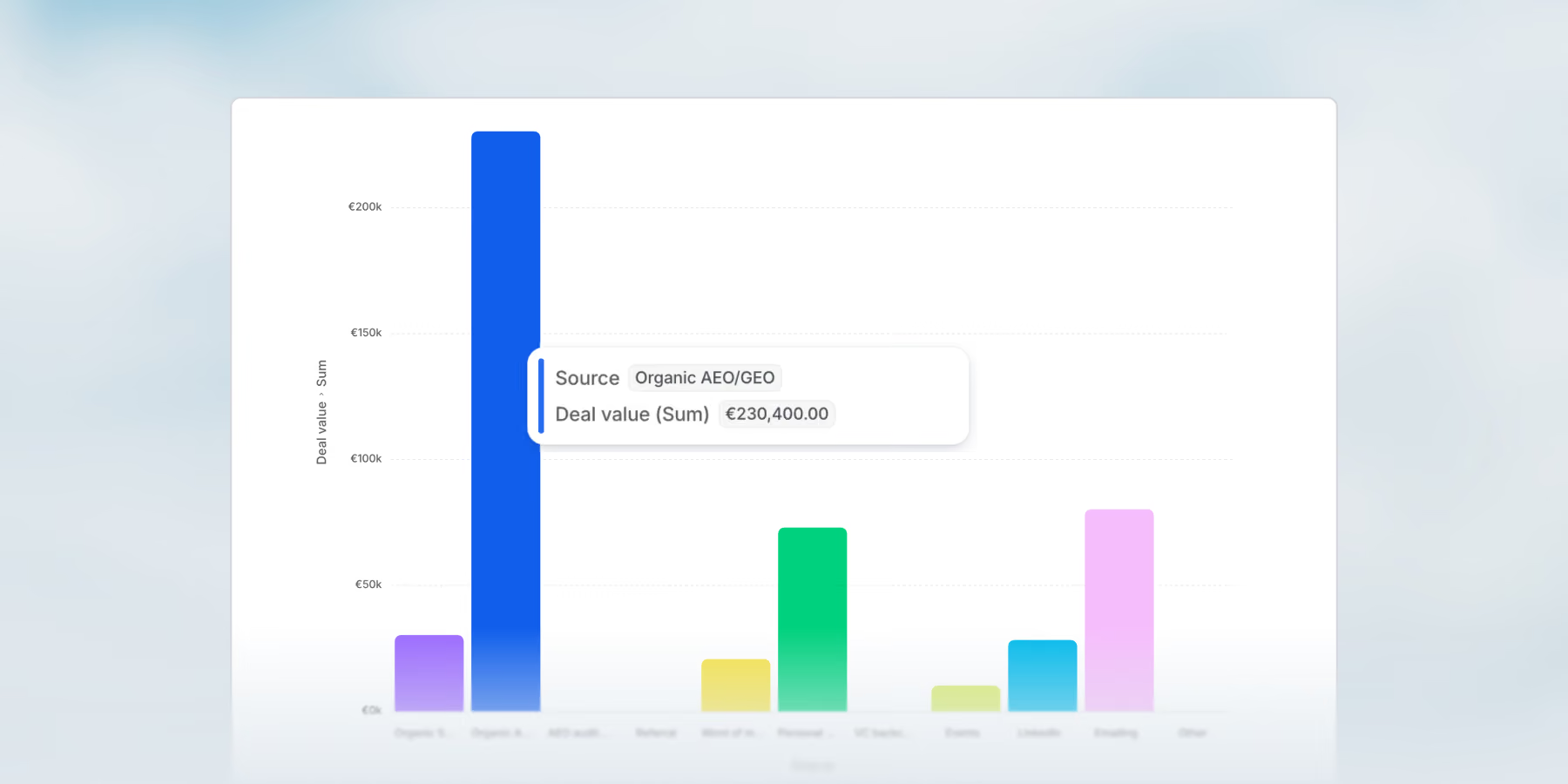
Out of our last 80 sales opportunities, 24 came from AI search. These are companies asking ChatGPT, Claude, or Perplexity for an agency and finding Noqode. 30% of our opportunities and €230,400 in sourced pipeline.
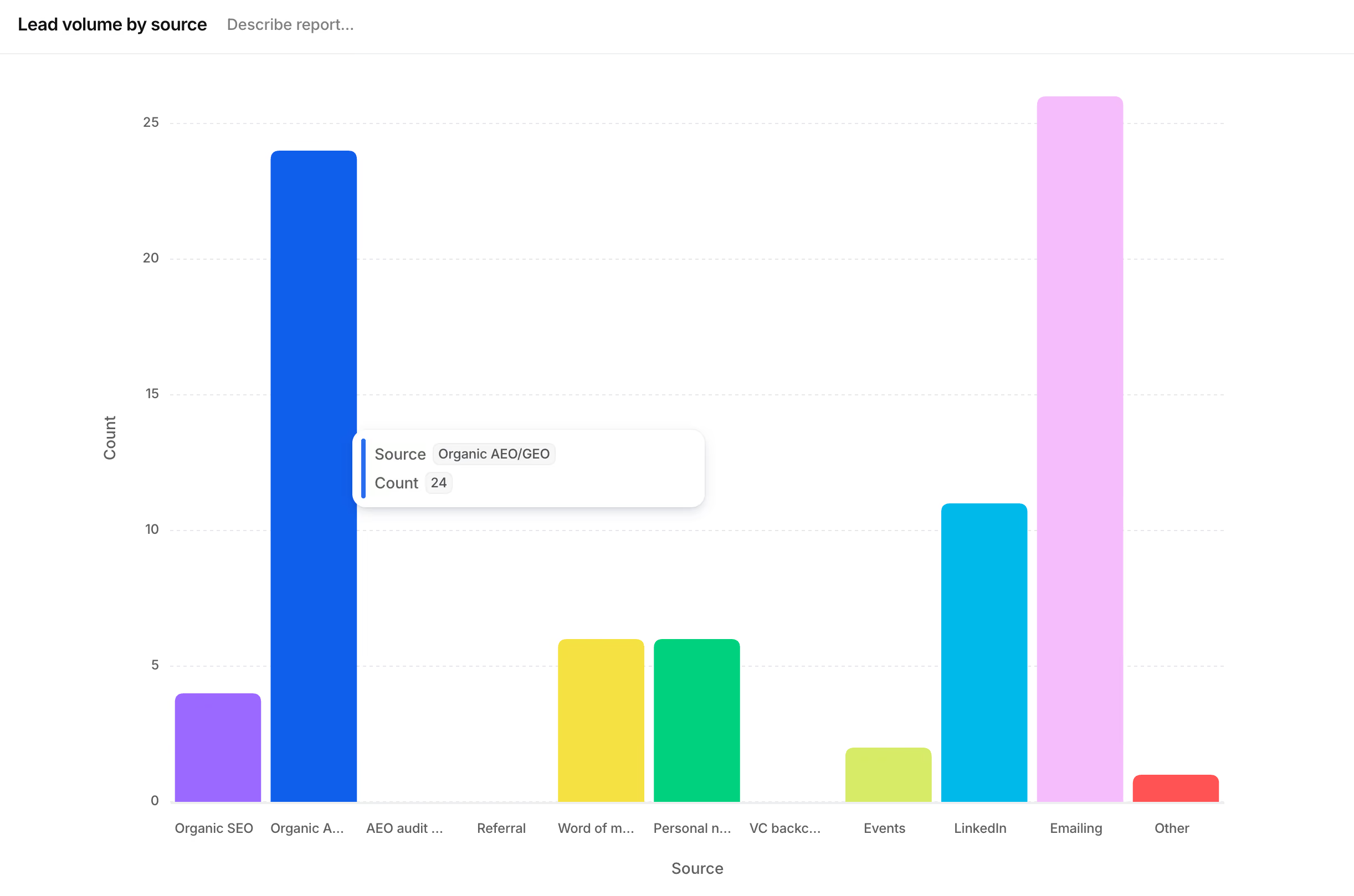
Volume, however, only tells half the story. Over the same period, cold email brought in more leads than AI search—26 versus 24. The difference lies elsewhere. The average lead from AI represents a project worth €11,520, compared to €5,732 for an outbound lead. Exactly double.
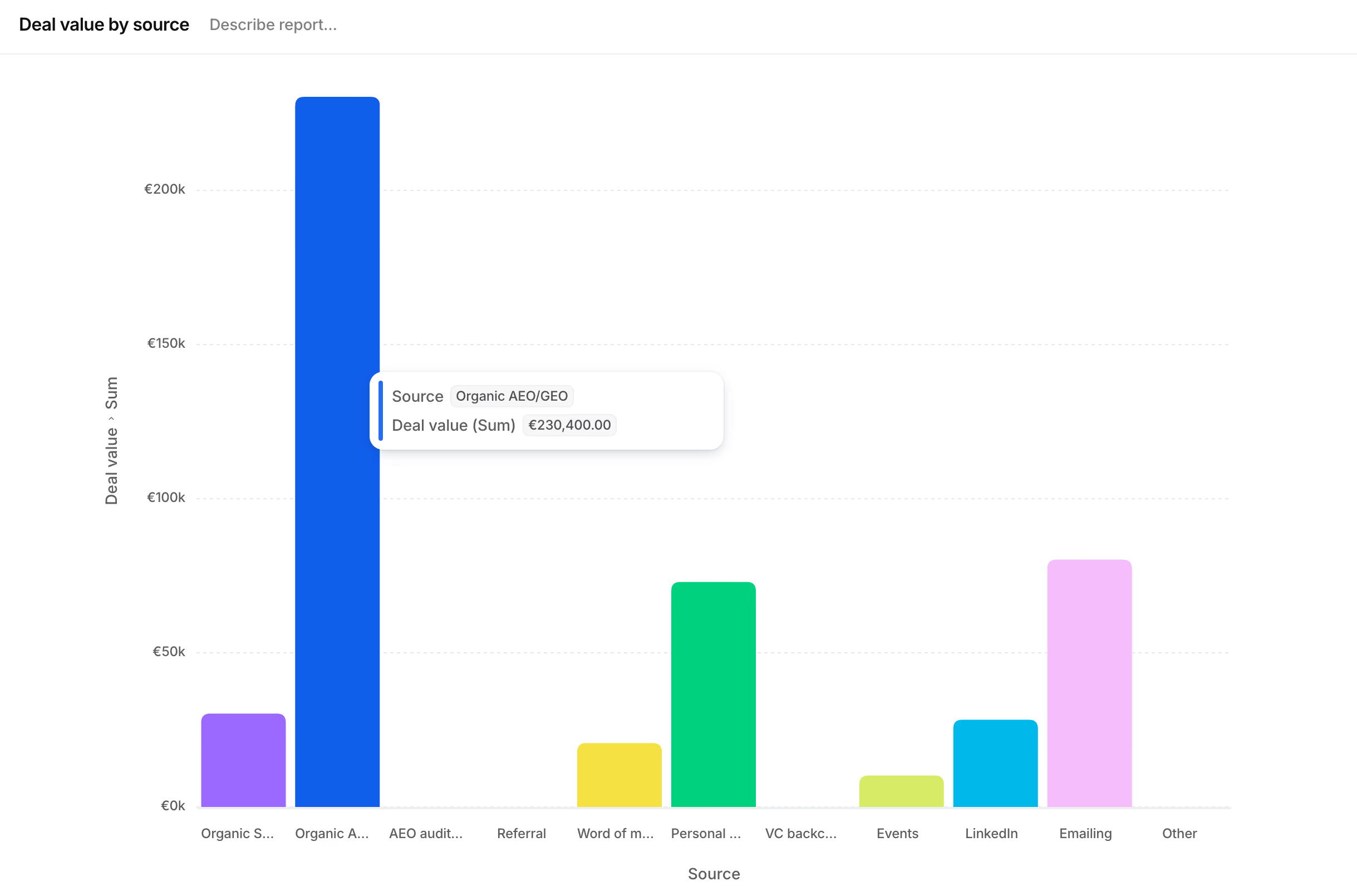
And conversion rates widen the gap even further. Most cold email leads never get far enough to be qualified or quoted. Out of 26 outbound leads, only one signed. Of the 24 that came from AI, four have signed to date, and several more are currently in the nurturing phase. Cold email converted 4 times less. Same input volume, incomparable results.
These leads arrive pre-qualified. They’ve read about us somewhere the model trusts, so half the work of persuasion is done before the first conversation. The formula we use internally says it all. A cold lead asks you questions; an AI-generated lead briefs you.
In practical terms, these prospects know our price ranges, our case studies, and our specialty before the first meeting even happens. The conversation is no longer about introducing ourselves, but about scoping their project. And the cycle is short... agency procurement responds to an immediate or planned need, so only a few hours or days separate their search from booking a meeting.
Webflow and AEO for B2B, nothing else. A generalist agency is a reference for nothing, both for a buyer and for a model. The day we narrowed our focus to Webflow and AEO, humans and AIs started associating us with one clear thing. Saying no to 3 people seemed crazy. That was the turning point.
An identifiable face associated with a specific topic matters more than a perfectly optimized anonymous site. LinkedIn, YouTube, Reddit, events... models cross-reference these signals. We see competitors who barely work on AEO but whose personal brand is so strong that they still show up in the answers. The AEO Maturity Index published by Webflow based on 2,000 sites just confirmed it: authority signals are the variable most correlated with the mention rate.
A detail almost no one catches. Models even track legal data. We changed our company status at the beginning of the year, and the engines made the connection within a few weeks because business registries are among the most cited sources. They aren't fooled.
For us, an insight becomes a blog post, a LinkedIn update, a YouTube video, and a Reddit comment. Since the majority of brand mentions by AI come from third-party pages, publishing only on your own blog amounts to optimizing the minority. For these models, repeating the same message across independent sources is a signal of authority that no single perfect page can replace.
Consistency does the rest. Your website, Google Business profile, LinkedIn, directories, and listicles must all tell the same story, because models cross-reference sources before citing a brand. We audited a prospect already being cited by LLMs without any AEO work... except the models were pulling their information from outdated directories. Wrong pricing and discontinued services stated with total confidence. Being cited with false information costs you deals. Not the other way around.
Commercial prompts like "best agency for X" are fueled almost exclusively by comparative content. Mastering these formats positions a brand very quickly in certain niches. But your branding must back it up, otherwise the citation won't survive model updates.
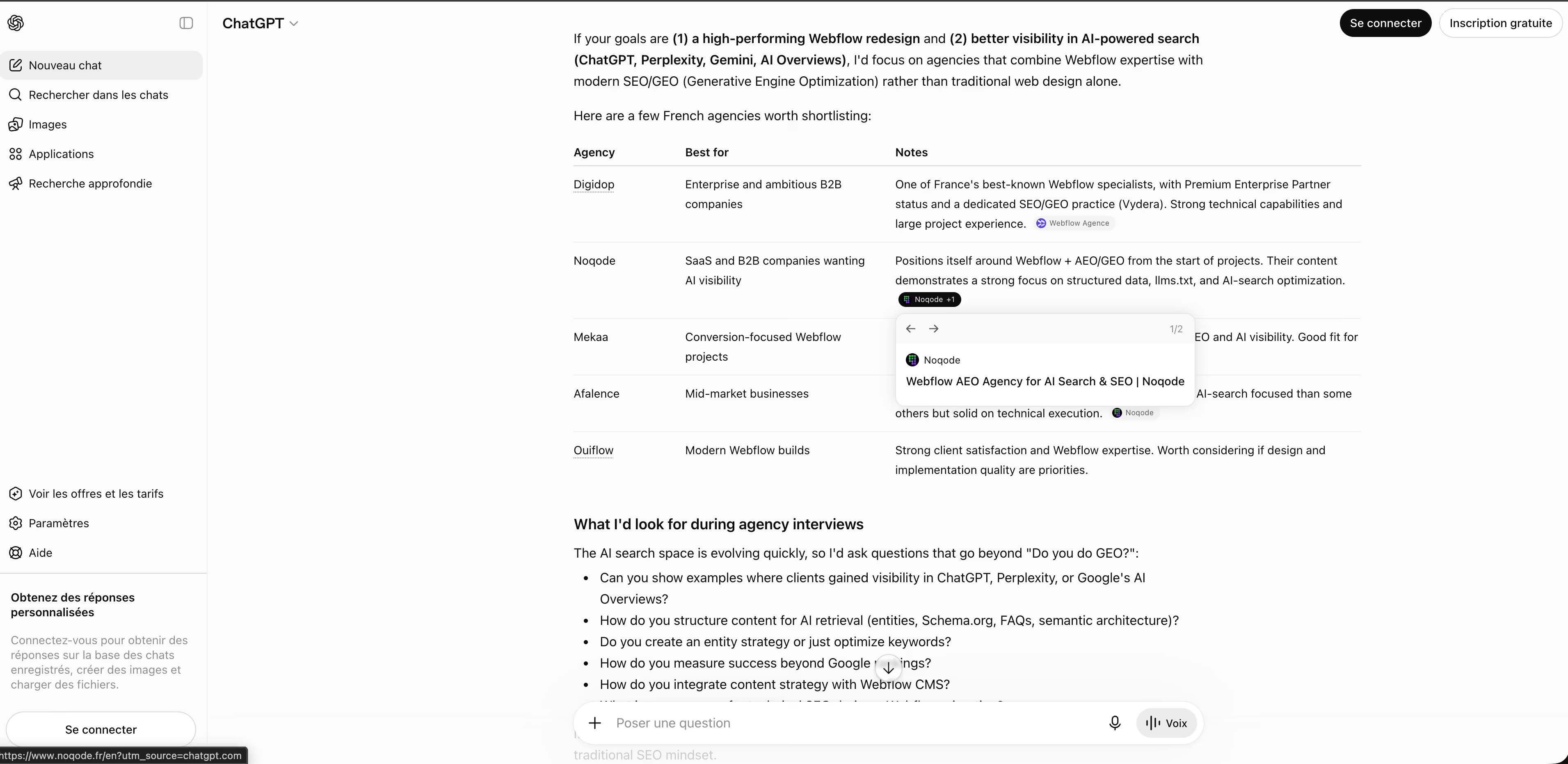
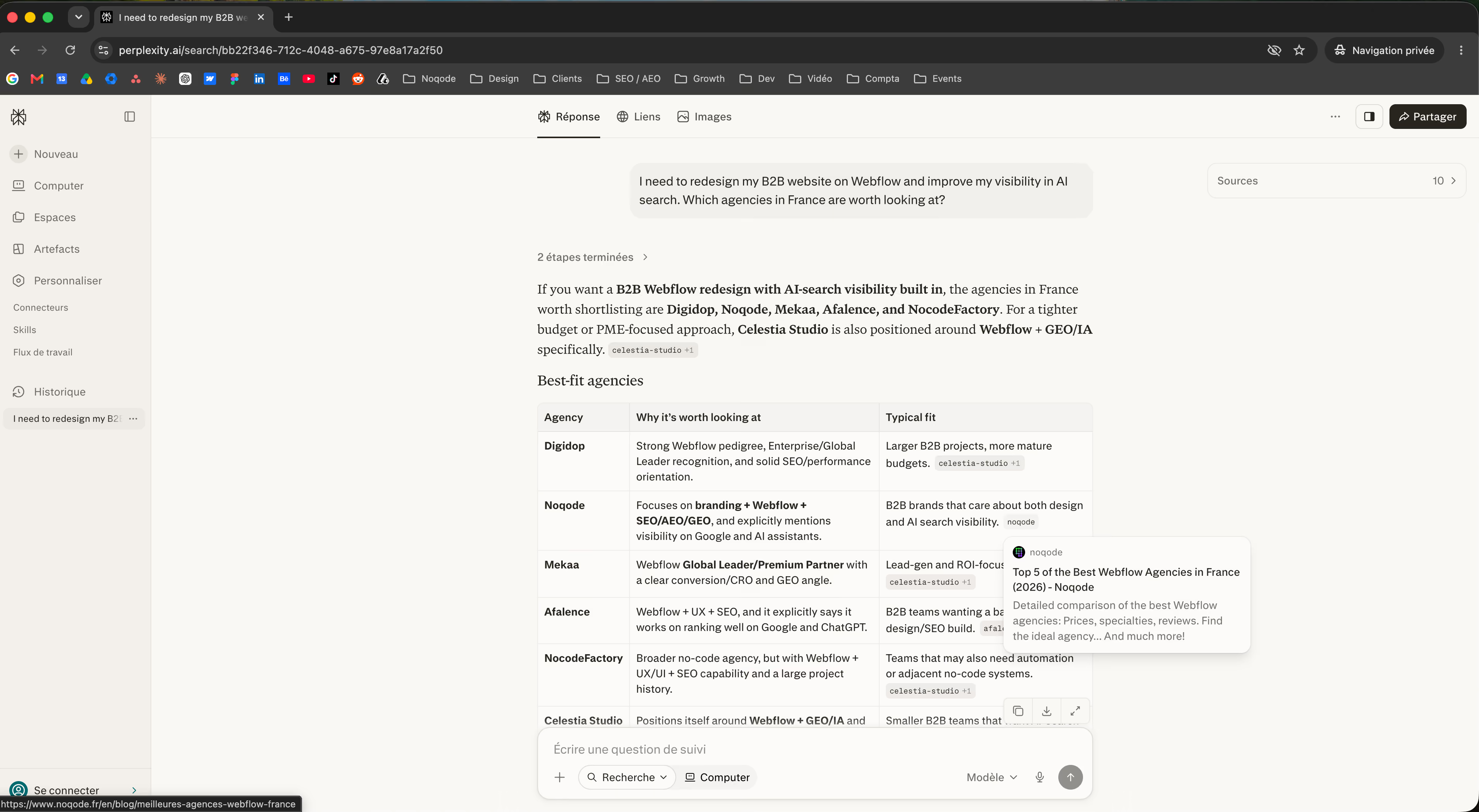
These two screenshots speak for themselves. A neutral session, a realistic buyer prompt, and a 3-person agency shortlisted alongside players ten times larger. The second one even shows the mechanics at work; Perplexity cites our own comparative page as the source.
Two initiatives presented everywhere as priorities have had no measurable effect for us. First, the llms.txt file, Ahrefs study of 137,000 domains showed that 97% of these files receive no requests from AI crawlers. Then there is schema markup, which is useful for technical readability but never a trigger for citation on its own. Both are just the price of admission. Neither one will get you cited.
Our attribution relies on one question asked to every lead: how did you hear about us? The answer is logged as the source in our CRM, and when it mentions ChatGPT or Perplexity, the opportunity is tagged as AI search. No sophisticated tracking stack, just a natural conversation during the first interaction, which is far more accurate than a checkbox.
We haven't found a reliable tool to do better, and we don't think one exists yet. Real buyer prompts are so personalized that it is almost impossible to know their exact wording. We ask prospects what they typed, and most don't remember. They just know that an AI recommended us.
This method tends to undercount rather than inflate. A prospect who discovers us in ChatGPT and then types our name into Google a week later often reports coming from Google, a bias we already described in our framework on AEO ROI.
These figures describe sourced pipeline, not signed revenue. Four of the 24 opportunities have closed to date, several are in progress, and a B2B cycle is measured in quarters. Declarative attribution remains inherently imperfect. And it took months before the first lead came from AI. This channel builds over time; it doesn't just switch on.
We are publishing this data because the AEO market is severely lacking it. Visibility dashboards are everywhere, but CRM figures remain impossible to find. The English version of this analysis became one of the most-read posts in the r/aeo community, precisely for this reason. If you want to know where your brand currently stands in AI responses, our AEO audit provides an initial diagnosis in 2 minutes.
Looking for support with these AEO topics? We apply this method for our B2B clients, book a call to discuss it.