The different types of websites: How to choose the right type of site?

6 minutes
.
December 6, 2024

Creating a website tailored to users' needs has become essential for every online business and project. Whether you are an SME, an entrepreneur or a larger company, choosing the right type of site is a crucial step that depends on your goals and the audience you are targeting.
In this article, discover the different types of websites, their specific features and their advantages, to guide your choice. Our web agency can also help you choose the type of website best suited to your business.
A website is an online platform open to the public that lets you share information, interact with users or sell products. The type of site you choose depends on your goals. Do you simply want to present your business? Sell products? Or build an online community? Knowing the different types of websites is essential to make an informed decision and choose a site that maximizes your impact.
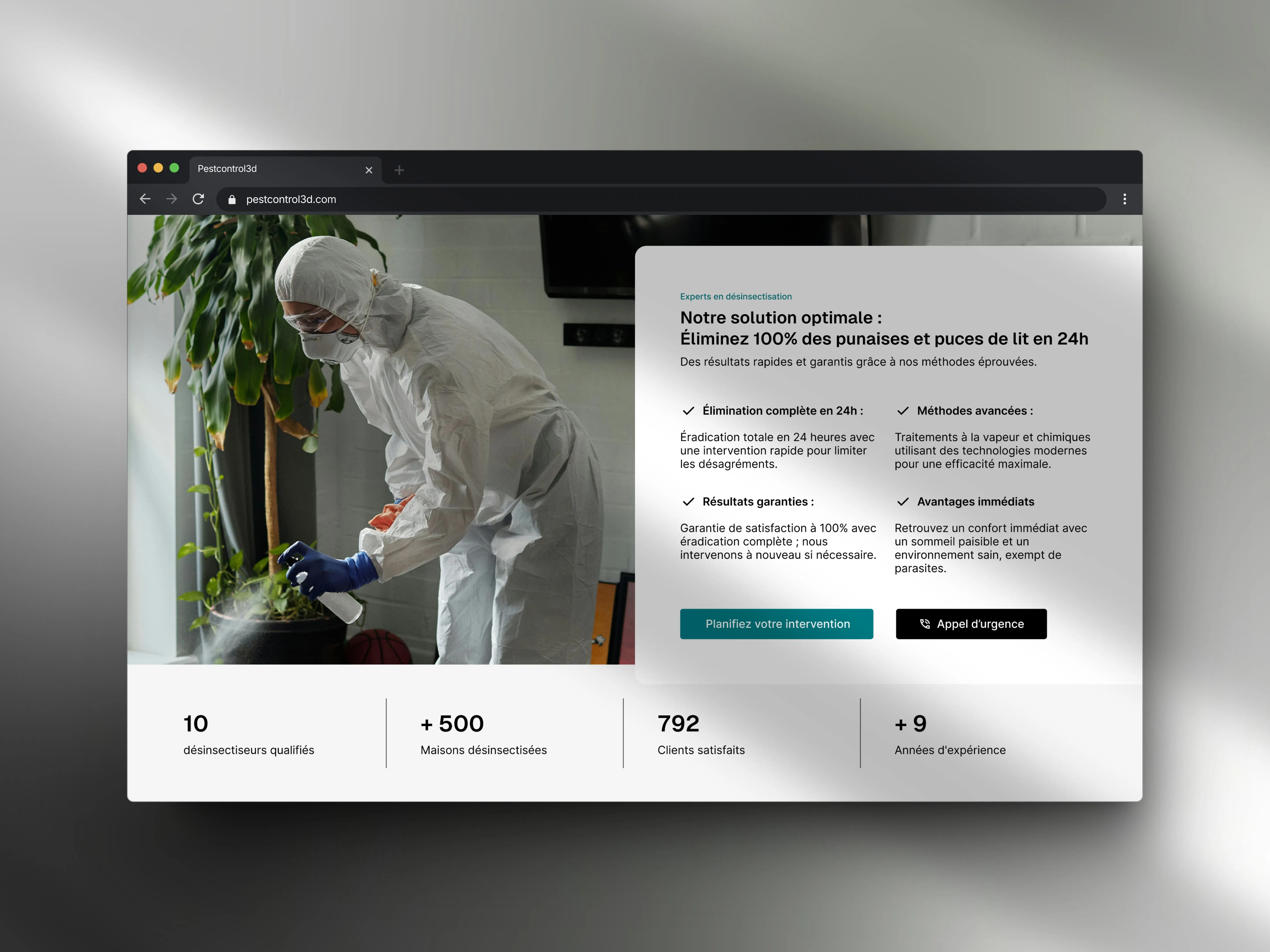
A showcase site is an essential tool for businesses that want to present their services and strengthen their online presence without selling directly. This type of website lets you share information about your business, your contact details and your achievements, which makes it ideal for local businesses, craftspeople and independent professionals.
To find out the cost of building a showcase site, read our full article: How much does a showcase website cost?
An e-commerce site is designed to sell products or services online. This type of site includes specific features such as inventory management, online payments and shopping carts. It has become essential for any business that wants to start selling online.

Institutional sites are generally used by public bodies, associations, local authorities and large companies. This type of site is used to inform the public and to share official information, as well as the organization's values and commitments.
Institutional sites are therefore ideal for organizations that want to share information in a structured, professional way without needing engagement or sales features.

A blog is a website where you regularly publish articles, images and videos. This type of site is ideal for businesses and individuals who want to share advice, news or expert articles while working on their organic search rankings.
A blog is an excellent choice for brands and professionals who want to position themselves as experts in their field while generating regular traffic to their website.
If you want to create a successful blog with Webflow, follow our guide: Create a blog on Webflow
Community and collaborative sites let users meet, interact and share information. This category includes social networks, forums and sharing platforms.
Community sites are perfect for projects that want to offer a space for discussion, but managing them can be time-consuming and requires resources to keep the environment friendly and secure.

An intranet site is a company's internal communication platform. It is reserved for employees and aims to centralize information, documents and the company's collaboration tools.
An intranet site is a very powerful tool for large companies, especially to streamline communication and document management.

Web applications are designed to meet specific needs. They are often interactive and require custom development. This type of site is ideal for projects that need advanced features, such as calculators, databases or data entry interfaces.
Web applications are ideal for technical projects that require personalized interactions and a high level of functionality.

The choice of website type depends on several factors, such as your goals, the audience you are targeting and the features you need. For example:
Understanding the different types of websites is key to choosing the one that best meets your project's needs. A well-designed website can become a real growth driver for your business by attracting and retaining your audience.
As a specialized Webflow agency, Noqode helps you choose and build the website that fits your needs, with custom sites optimized for performance and SEO.
The main types of websites are showcase sites, e-commerce sites, blogs, institutional sites, community sites, intranets and web applications.
For a small business, a showcase site is often recommended to present your services. If the company wants to sell online, an e-commerce site will be more suitable.
Yes. Webflow lets you create community sites by integrating interactive features. Additional tools can extend the community options.
A good e-commerce site must offer an intuitive interface, a secure payment system, inventory management and optimized SEO to attract visitors and maximize conversions.
A showcase site is designed to promote a business, while an institutional site is designed for public bodies or large companies, with a mainly informative purpose.