UX&UI Design: What are the differences and roles for your website?

6 minutes
.
December 6, 2024

A well-designed interface and a smooth user experience have become essential to stand out online and keep visitors engaged. While UX and UI design share the same goal of delivering a site that is effective and engaging, their roles, tools and methods differ. UI design (User Interface Design) covers the visual side, while UX design (User Experience Design) focuses on optimizing the user experience.
In this article, we look at the differences between UI and UX design, what makes each one specific, and why companies should integrate both approaches at every stage to build an effective and attractive website.
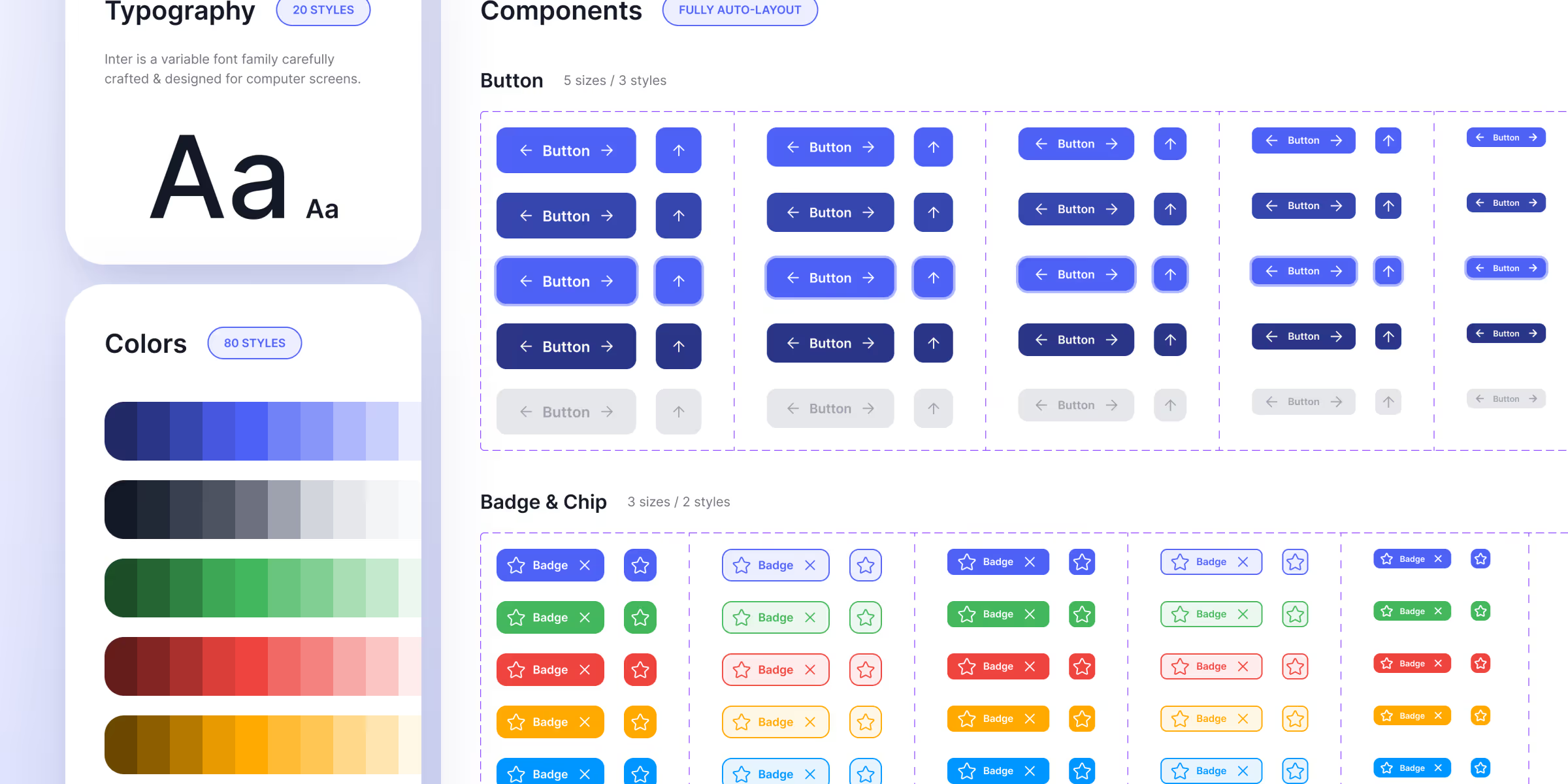
UI design (User Interface Design) is a visual discipline focused on creating the visual and interactive elements of a website or application. The UI designer's main role is to design an intuitive, engaging interface that makes interaction easy. This includes colors, typefaces, buttons, icons and every other graphic element that ensures the visual consistency of the site or application.
To see how UI design shapes a landing page, read our article: Creating a Webflow Landing Page: Strategy and Expert Guide.
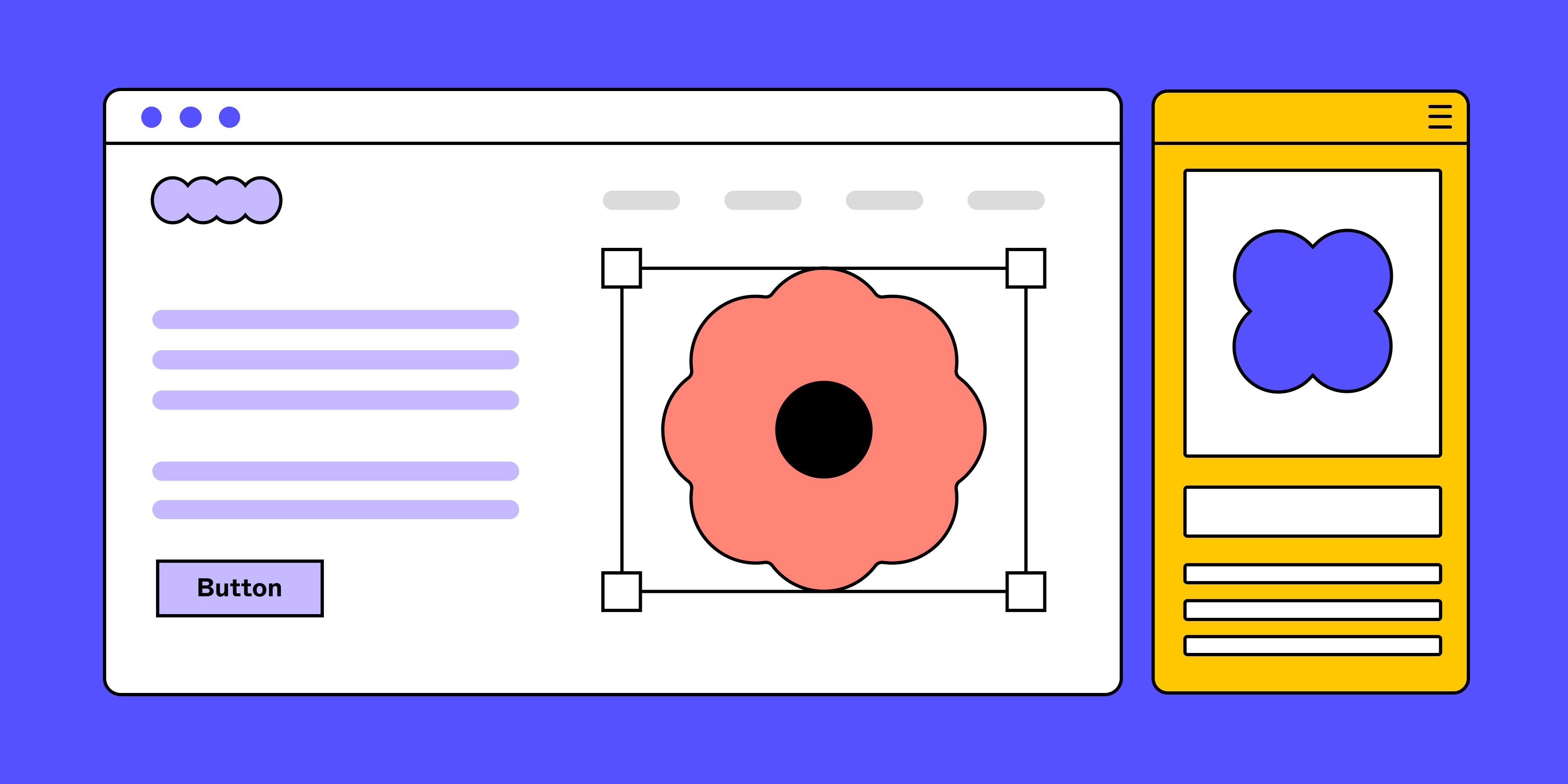
UI design aims to create visually appealing interfaces that are aesthetically consistent with the brand identity. The goal is to win users over at first glance and hold their attention with a clear, harmonious design. In other words, UI design handles the visual presentation that supports the user experience by making navigation pleasant and easy to understand. Tools like Figma play a central role in interface design, because they make it possible to collaborate effectively, prototype quickly and keep the visuals consistent at every stage.
At noqode.fr, our UI design experts approach every project by analyzing your users' specific needs and creating interfaces that reflect your brand.

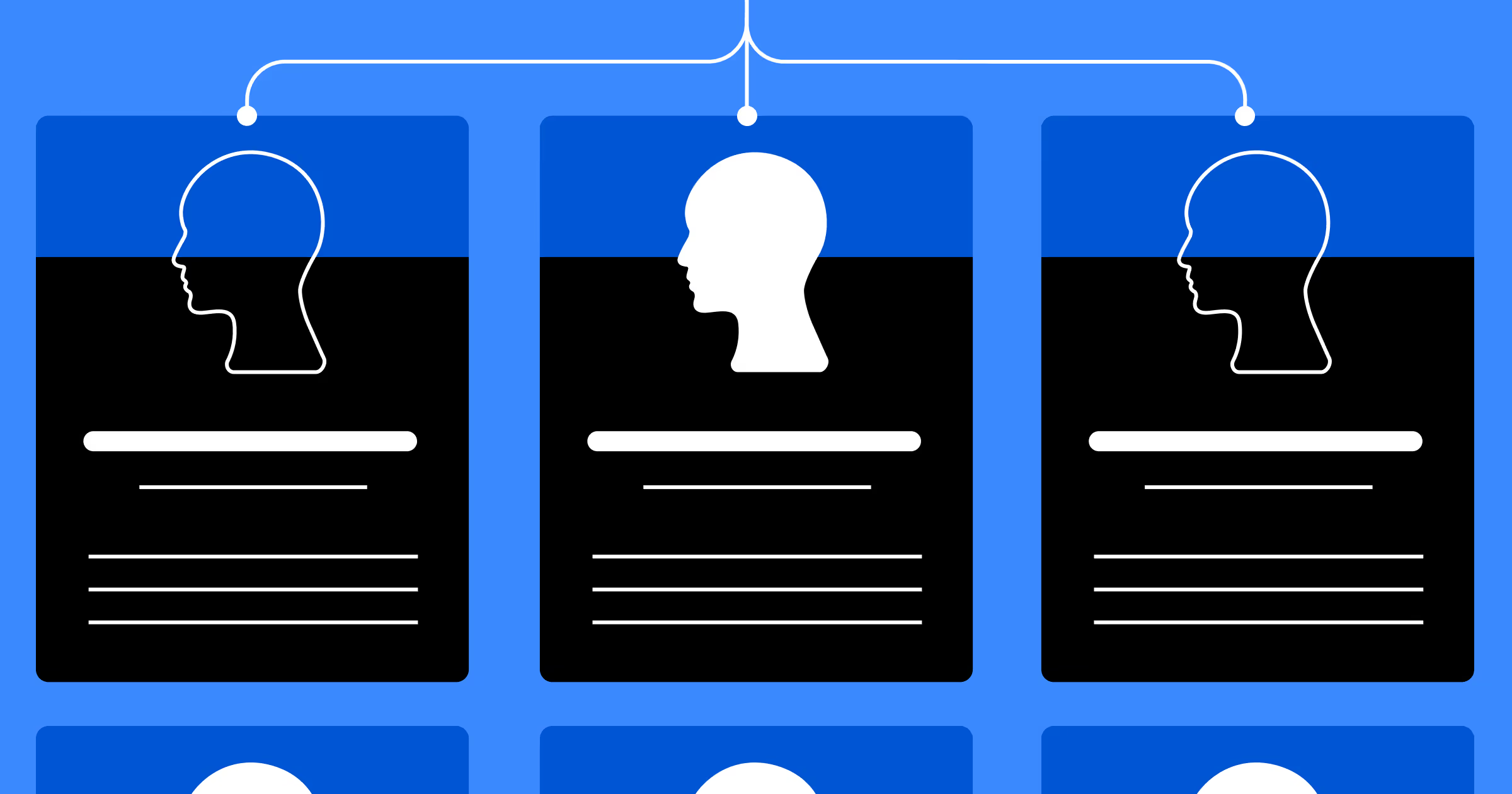
UX design (User Experience Design) focuses on the user experience by creating interfaces that meet users' expectations and needs. Unlike UI design, which is more about visual presentation, UX design is concerned with ease of use and user satisfaction throughout the visit.
A good user experience rests on several key factors: easy navigation, fast access to information and the overall usability of the website. A UX designer defines the user journey using research techniques (such as user testing or behavioral analysis) to understand what the target audience expects.

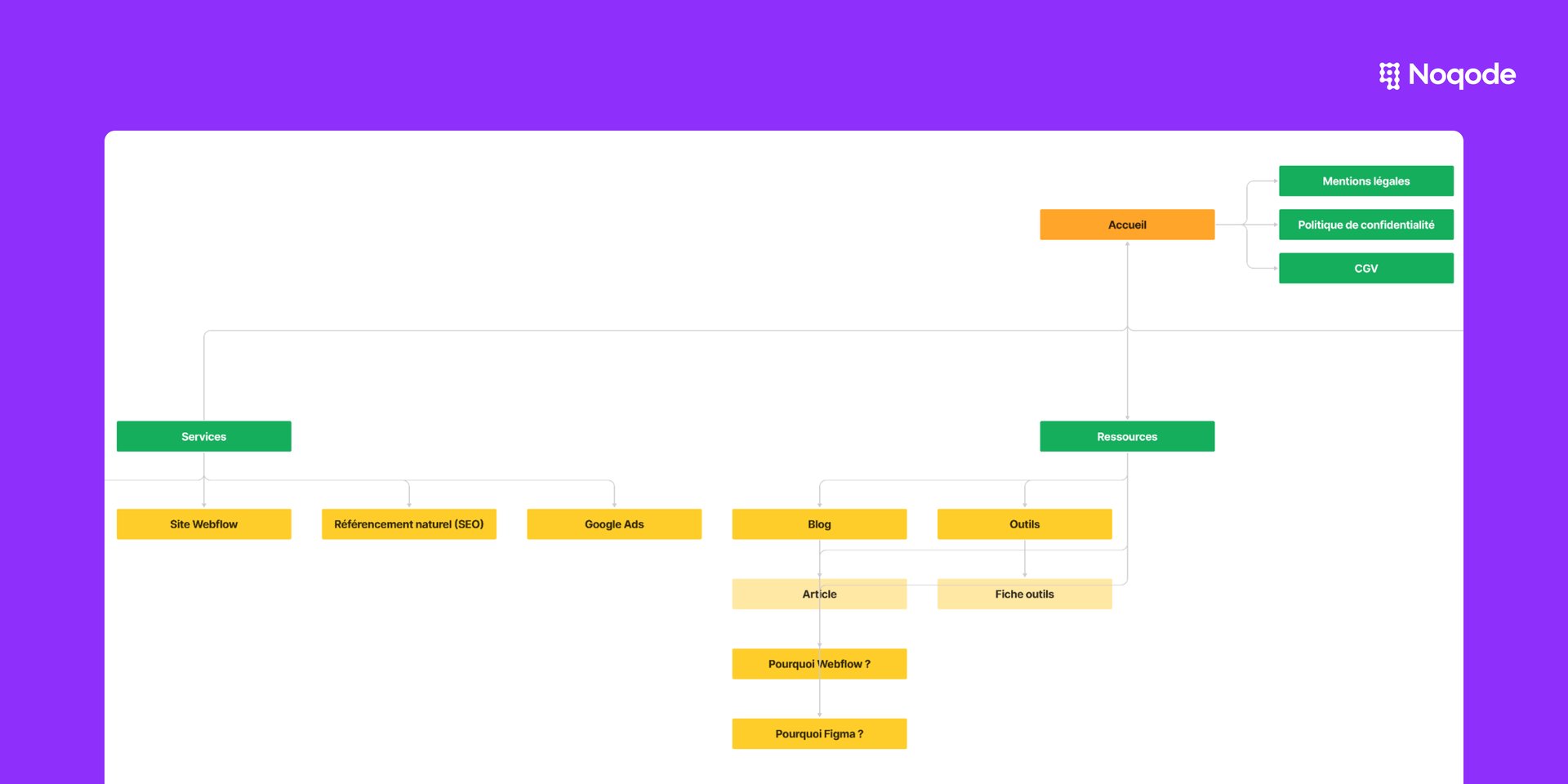
UX design follows a structured process that includes creating wireframes and prototypes, testing, and gathering user feedback to improve the overall experience.
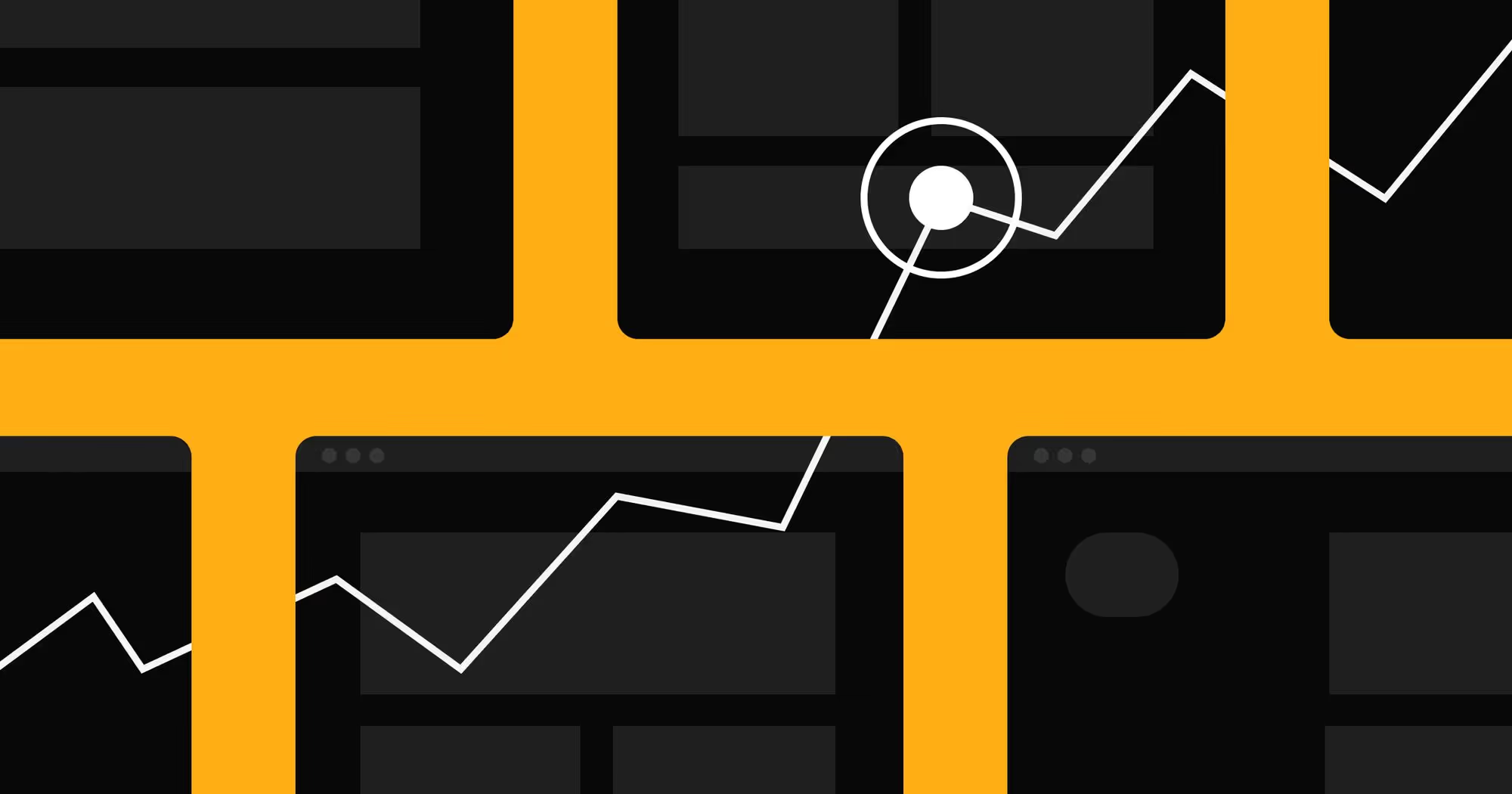
KPIs (key performance indicators) are a great way to track and analyze how well your site's UX design performs. By measuring data such as time on site, bounce rate or the number of interactions per session, you can assess and adjust your UX strategy. Read our guide to the essential KPIs to track: 8 KPIs to follow to analyze your website.

The differences between UI and UX design are significant, even though the two disciplines are complementary and both essential to a high-performing web project. Here are the main distinctions:
Although their missions differ, UI and UX must work together to achieve the best result. UI/UX designers coordinate both aspects to deliver a smooth user experience and a visually appealing interface.
Integrating UI and UX design from the site architecture stage is essential to ensure overall performance and meet user expectations. Whether you are building an e-commerce site, a blog or a mobile app, combining UI and UX improves both visitor satisfaction and business results.
UI and UX design are essential not only for websites but also for mobile apps. Because interactions on smaller screens work differently, UI and UX design principles are adapted to mobile apps to deliver an optimized mobile experience that is easy to use.
For optimal UX/UI design, Webflow is a tool of choice. It lets designers work directly on interactive prototypes and test different interfaces and experiences in real time, without going through development. Our Webflow experts help you get the most out of the tool to build an attractive website that performs.
Compared with WordPress, Webflow gives UX/UI designers more creative freedom thanks to its flexibility and built-in features. Unlike WordPress, Webflow does not rely on plugins, which reduces the risk of security flaws and improves site performance. For a full comparison, read our article: Webflow vs WordPress 2026: Which CMS to choose for your web project?

For a modern, high-performing website, combining UI and UX design is crucial. UI ensures a consistent, attractive visual interface, while UX makes the user journey smooth and engaging. Together, these two approaches increase user satisfaction, strengthen brand identity and improve conversion rates.
To go further, work with an agency specializing in UX/UI design that can support you in building an optimized website that meets your users' expectations and your business goals.

UI focuses on the visual side of the interface, while UX covers the user's overall experience in terms of journey, interactions and ease of use.
UX design improves user satisfaction, simplifies navigation and increases the chances of conversion by optimizing the user journey.
Webflow makes it easy to combine both approaches thanks to its visual design and prototyping features. You can design and test attractive, optimized interfaces directly.
Yes. Good UX/UI design makes navigation easier and the site more attractive, which improves engagement and can increase conversions.
An agency with web design expertise can better understand your users' specific needs, design an optimized journey and create a consistent visual interface to ensure a quality user experience.